Risograph print, your child on every page
Risograph gives your child’s book a lo-fi two-colour print look — grainy overlapping inks and a warm limited palette with real handmade-print charm.
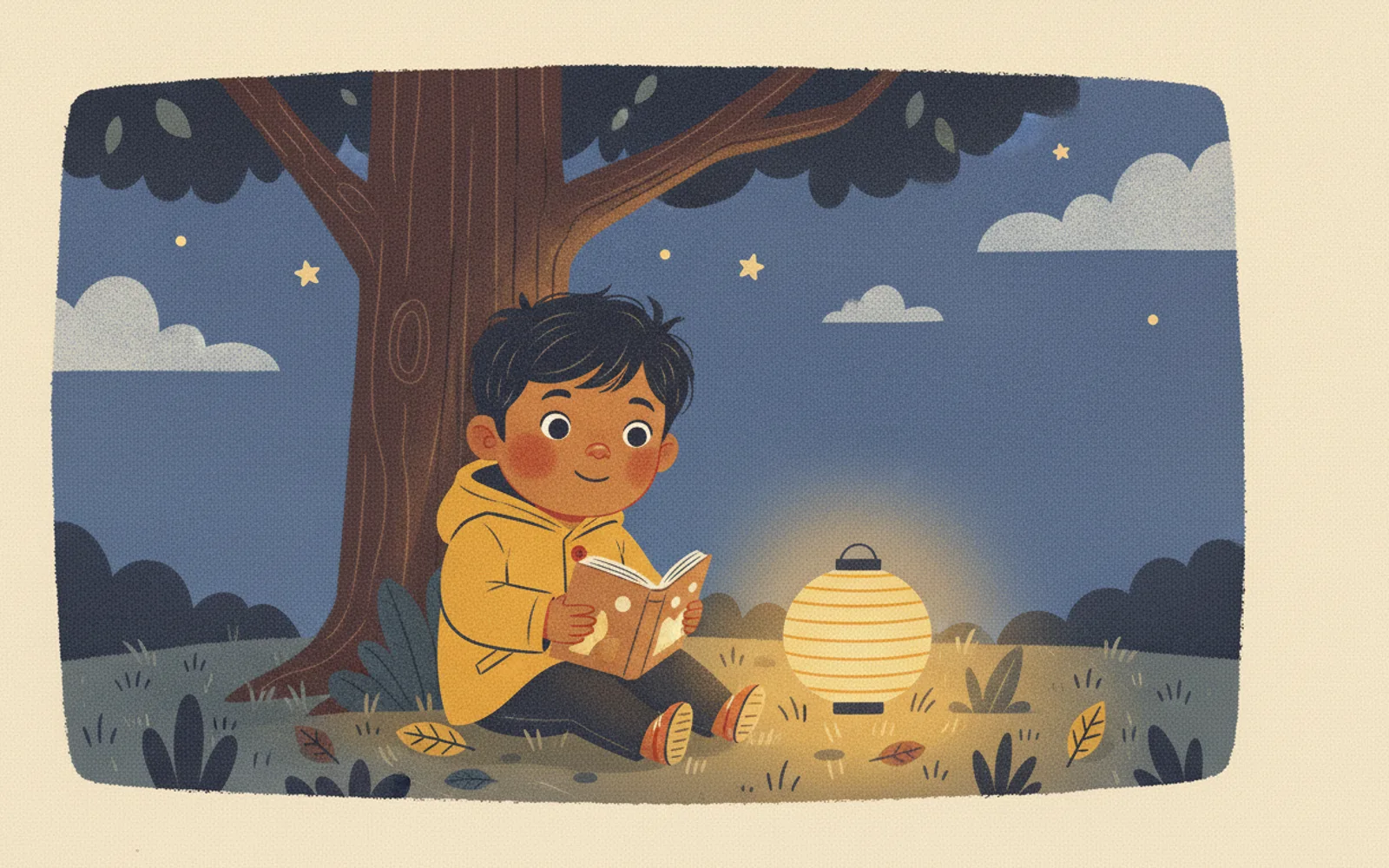
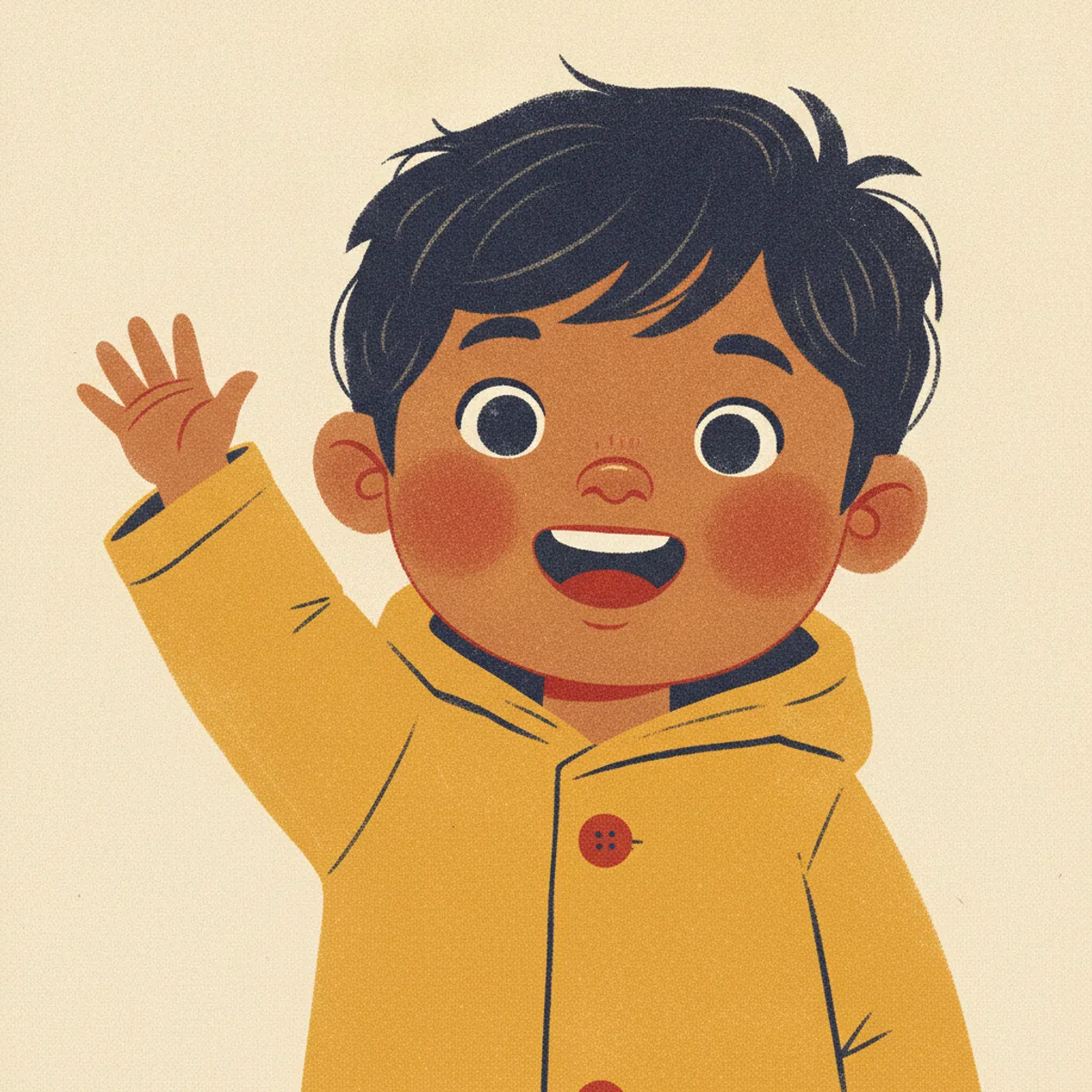
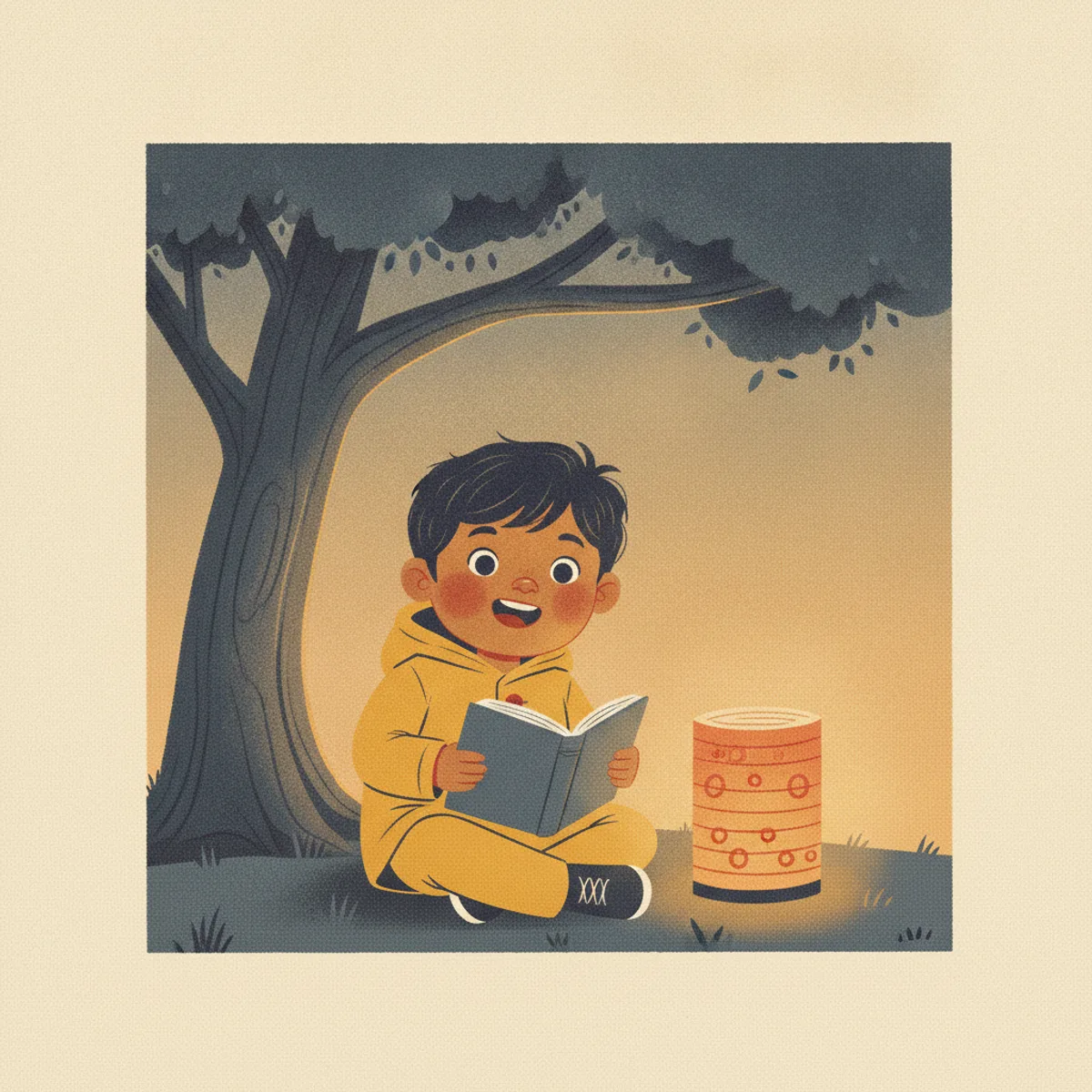
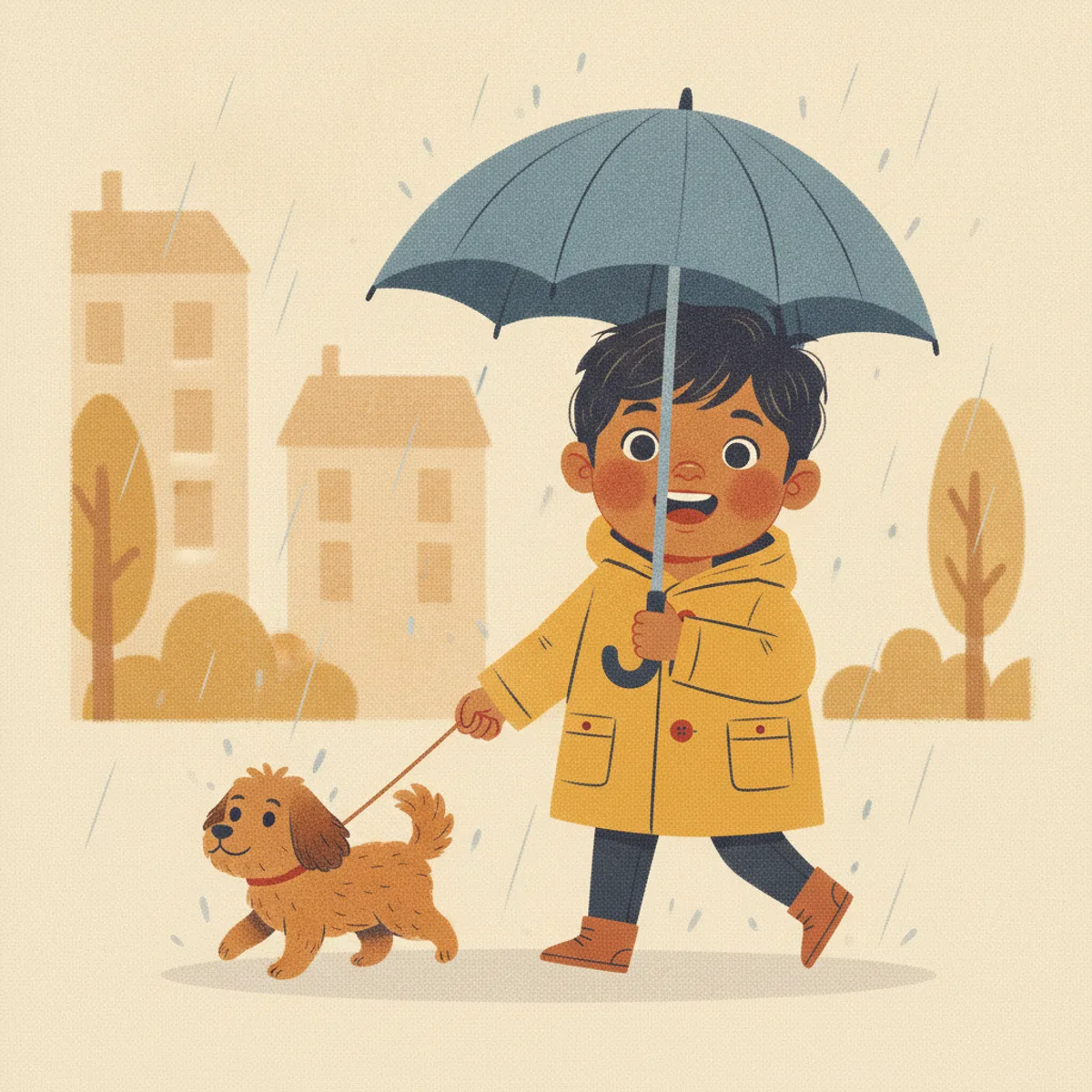
- Medium
- risograph print
- Mood
- warm and lo-fi
- Best for
- Design-led, modern-nostalgic stories and gift books.
- Palette
- riso bluefluoro pinkcream
Keeping your child recognisable
The grainy two-colour overlap keeps things simple, so consistent shapes and colours keep your child recognisable. That is the whole point of Once Books: you pick Risograph print once and it is locked to the book, so your child is the same child from the cover to the last page. See how it works, or browse all the art styles.
The Risograph print prompt
Want the Risograph print look yourself? Copy this style prompt and paste it into ChatGPT, Gemini, Midjourney or any image tool — add it to any subject you like, nothing to edit.
Risograph print illustration, lo-fi two-colour riso print, visible paper grain and slight offset misregistration, flat limited spot colours, handmade print charm.
Avoid: smooth gradients, soft painterly shading, airbrushed, glossy, photorealistic, full-colour render, realistic lighting.
That gets you the look on a single image. The hard part is keeping the same child recognisable across a whole book — that’s what Once Books does. See how.
Common questions
- What is the Risograph print style?
- A lo-fi two-colour print look with grainy, overlapping inks.
- What is a good prompt for Risograph print children’s illustrations?
- Risograph print illustration, lo-fi two-colour riso print, visible paper grain and slight offset misregistration, flat limited spot colours, handmade print charm.
- Which AI tools does the Risograph print prompt work in?
- Any image model — ChatGPT / DALL·E, Google Gemini, Midjourney, or Stable Diffusion. Paste the style prompt, add your own subject, and generate.
- Is Risograph print a good style for a personalised children’s book?
- Design-led, modern-nostalgic stories and gift books. The grainy two-colour overlap keeps things simple, so consistent shapes and colours keep your child recognisable.